Blog

  • Matrescence: The Identity Shift No One Talks About in Motherhood

    4–5 minutes

    Motherhood is often described as beautiful, exhausting, and life-changing. But beneath these familiar descriptions lies a deeper transformation—one that many mothers experience but few have a name for. This process is called matrescence, a term first coined by anthropologist Dana Raphael to describe the profound physical, emotional, and psychological shift that occurs when a woman becomes a mother. 

    en.wikipedia.org

    Much like adolescence, matrescence is a transition that reshapes identity, priorities, and relationships. It is not a single moment but an ongoing process, one that ebbs and flows as a mother navigates different stages of parenthood. Yet, despite its universality, matrescence remains largely unspoken, leaving many mothers to grapple with its effects in isolation.

    Understanding the Layers of Matrescence

    1. Physical and Hormonal Changes
      The body undergoes immense changes during pregnancy, birth, and postpartum recovery. Hormonal shifts influence mood, energy levels, and even cognition. Research indicates that these hormonal fluctuations can remodel the brain, preparing it for the demands of motherhood. nature.com
    2. Emotional and Psychological Shifts
      With the arrival of a baby, many women experience a redefinition of self. The tug-of-war between their pre-motherhood identity and their new role can be both liberating and disorienting. Questions like Who am I now? or Will I ever feel like myself again? are common. This transition encompasses myriad psychological, social, cultural, and existential changes. frontiersin.org
    3. The Changing Social Landscape
      Friendships evolve, relationships with partners shift, and societal expectations weigh heavily. While some mothers find support in their communities, others struggle with feelings of loneliness, as if they exist in an in-between space—no longer who they were before but not yet fully grounded in their new identity.I’ve personally felt this shift in my friendships. Some of my closest friends, who are on different life paths, no longer resonate with me in the same way. The demands of motherhood have changed how I engage in friendships—last-minute plans are no longer possible, conversations revolve around different priorities, and the depth of understanding isn’t always there. While some friendships have grown stronger, others have faded, and that has been a difficult but necessary part of this transformation.Matrescence has also changed how I behave in the workplace. Before becoming a mother, I often found myself trying to please everyone, saying yes to extra tasks and hesitating to set boundaries. But after having children, I’ve gained an unexpected sense of confidence. I now prioritize my own work, stand up for myself, and focus on what truly matters, rather than feeling the need to accommodate everyone else’s expectations.My relationship with my husband has also evolved as we’ve learned to navigate parenthood together. We’ve had to redefine how we function as a team, understanding our individual strengths and how they contribute to raising our children. While the dynamic has changed, it has also deepened our partnership, as we’ve had to communicate and support each other in ways we never did before.

    Why Matrescence is Overlooked

    In many cultures, the focus after birth is almost entirely on the baby. New mothers are often expected to instinctively adapt, with little recognition of the internal shifts they are experiencing. Unlike adolescence, which is widely acknowledged as a challenging period of growth, matrescence lacks societal validation, leading many women to feel like they are struggling alone. 

    bcmj.org

    Additionally, discussions around postpartum well-being tend to center on depression and anxiety. While these are critical issues, they do not encompass the full spectrum of the transition. Matrescence is not an illness—it is a natural, albeit complex, evolution.

    Navigating Matrescence with Grace

    1. Embrace the Change
      Rather than resisting the shifts, acknowledge them as part of your growth. Allow yourself to grieve parts of your old self while embracing the wisdom and depth that motherhood brings.
    2. Seek Support and Community
      Surround yourself with those who understand this journey—whether it’s other mothers, therapists, or supportive partners. Finding a space to share your experiences can be incredibly validating.
    3. Prioritize Self-Reflection
      Journaling, meditation, or simply taking a few moments to check in with yourself can help make sense of the changes. What brings you joy now? What aspects of your identity feel new, and which remain constant?
    4. Redefine Balance
      Let go of the pressure to return to a ‘pre-baby’ version of yourself. Instead, focus on integrating motherhood into your evolving sense of self in a way that feels authentic to you.

    Recommendations:

    If you’re looking for deeper insights into this transformation, books like Motherhood by Sheila Heti and Nurture by Erica Chidi Cohen explore the complexities of identity shifts in motherhood. Many mothers find comfort in seeing their own experiences reflected in these pages.

    Final Thoughts: Speaking Up About Matrescence

    Matrescence is a powerful, transformative process that deserves more attention. By naming it, discussing it, and normalizing its complexities, we can help mothers feel seen and supported. If you’ve experienced matrescence, share your story—because the more we talk about it, the less isolating it becomes.


    Have you felt the effects of matrescence in your journey through motherhood? I’d love to hear your thoughts in the comments below!

    Leave a comment

  • Top 5 Books for Raising Toddlers: Insights for Nurturing Your Little One’s Development

    4–6 minutes

    Raising toddlers is a beautiful, messy, and sometimes exhausting journey. As a parent, you’re constantly looking for ways to nurture their independence, support their emotional growth, and build a strong foundation for their future. But let’s face it—being a parent isn’t always easy, especially with the constant whirlwind of tantrums, “why” questions, and trying to balance everything else in life. That’s where a little guidance can make a huge difference.

    I’ve spent a lot of time reading (and listening on Audiobook) and learning from different parenting books to help me navigate the toddler years, and I’ve found that some books are truly game-changers. If you’re looking for practical strategies, encouragement, and insights to help you on your own parenting journey, here are the top five books I’d highly recommend.

    1. Hunt, Gather, Parent: What Ancient Cultures Can Teach Us About Raising Children by Michaeleen Doucleff

    If you’ve ever felt overwhelmed by the endless parenting advice out there, Hunt, Gather, Parent might just be the breath of fresh air you need. Michaeleen Doucleff takes a deep dive into the ways traditional parenting practices from indigenous cultures can offer wisdom that our modern world seems to have lost. As a mother herself, Doucleff explains how we can apply these time-tested practices to nurture our children’s independence, emotional resilience, and confidence.

    I found this book particularly eye-opening in how it connects the dots between anthropology and modern parenting, showing us how to raise emotionally strong children without all the pressure to get everything “perfect.” This book made me reconsider how I approach parenting, especially in terms of allowing my toddlers to have more space to learn through natural, hands-on experiences.

    2. No Bad Kids: Toddler Discipline Without Shame by Janet Lansbury

    As a parent of a toddler, it can sometimes feel like every moment is a potential power struggle. Janet Lansbury’s No Bad Kids gave me the tools to navigate discipline in a way that feels compassionate yet effective. The book emphasizes the importance of treating toddlers with respect, understanding their developmental stages, and setting boundaries in a calm, loving way.

    I appreciate Lansbury’s approach because it acknowledges that toddlers are still learning how to regulate their emotions and that we, as parents, need to be patient and consistent in our responses. This book really helped me change my perspective on discipline—it’s less about “correcting” behavior and more about guiding them to understand and express their emotions in healthier ways. And let’s be real—who doesn’t need a little extra patience and perspective when managing toddler tantrums?

    3. The Whole-Brain Child: 12 Revolutionary Strategies to Nurture Your Child’s Developing Mind by Daniel J. Siegel and Tina Payne Bryson

    The Whole-Brain Child was another game-changer for me when I was learning how to connect with my toddlers on a deeper level. Daniel Siegel and Tina Payne Bryson break down complex neuroscience into simple, actionable strategies. This book helps you understand how your toddler’s brain is developing and how you can foster their emotional and cognitive growth.

    I found this particularly helpful in managing those big, overwhelming moments—like tantrums or stubbornness—because it gives you a roadmap for how to respond based on your child’s brain development. It’s all about turning challenging moments into opportunities for teaching emotional regulation and problem-solving. For me, this book has been invaluable in guiding me through the ups and downs of toddlerhood with a little more patience and understanding.

    4. Raising Boys by Steve Biddulph

    If you’re raising a boy, Raising Boys by Steve Biddulph is a must-read. As a mother of both a toddler and a young boy, I found this book to be an incredible resource for understanding the unique needs of boys as they grow. Biddulph discusses how boys’ brains develop differently than girls’ and offers insights into how to nurture their emotional intelligence, respect for others, and ability to handle their emotions in healthy ways.

    What I love about this book is that it emphasizes the importance of positive male role models and the impact that fathers (or father figures) can have on a boy’s development. It’s a great guide to raising boys who feel secure in expressing their feelings, respecting others, and growing into strong, confident individuals.

    5. How to Talk So Little Kids Will Listen: A Survival Guide to Life with Children Ages 2-7 by Joanna Faber and Julie King

    How to Talk So Little Kids Will Listen is a must-have for any parent navigating the toddler years. Written by Joanna Faber and Julie King, this book provides incredibly practical, down-to-earth advice on how to communicate with toddlers effectively—without resorting to power struggles. The authors break down specific techniques for getting kids to listen, follow directions, and handle big emotions in a calm, respectful way.

    I love how the book offers concrete examples and real-life solutions for the challenges we face as parents. It’s full of humor and empathy, and it really helped me rethink how I communicate with my toddlers. Rather than just giving commands, the book encourages parents to engage in two-way conversations, which has made a huge difference in fostering cooperation with my little ones.


    Final Thoughts on Raising Toddlers

    Parenting toddlers isn’t easy, and some days it feels like you’re barely keeping your head above water. But these five books have helped me build a better understanding of my toddlers’ emotional and developmental needs, which in turn has made me a more patient and connected parent. It’s all about finding the tools that work best for your family, and these books have been incredibly valuable in helping me along the way.

    If you’re raising boys, Raising Boys by Steve Biddulph is a must-read, providing crucial insights into their unique emotional needs and how to raise them with empathy, confidence, and resilience.

    Which book resonates with you the most? Let me know in the comments below—I’d love to hear your thoughts and share in this parenting journey with you!

    Leave a comment

  • Preparing Your Toddler for a New Sibling: A Gentle Transition

    Bringing a new baby into the family is an exciting and emotional time—especially for your firstborn. Toddlers, who thrive on routine and familiarity, may find the transition challenging. When I was preparing my toddler for the arrival of our second baby, I knew I wanted to create a positive and reassuring experience for them.

    I’ve learned that the key to a smoother transition is early preparation, inclusion, and lots of love. But it hasn’t always been easy! Here are some of the challenges I faced and the strategies that helped.


    1. Talking About the Baby in a Toddler-Friendly Way

    Even before the baby arrived, I introduced the idea gently. We talked about the baby growing in my belly and read simple books about becoming a big sibling. Some of our favorites were:
    📖 I’m a Big Sister  by Joanna Cole
    📖 Waiting for Baby by Rachel Fuller

    💛 Challenge: My toddler didn’t seem interested at first.
    ✅ Solution: Instead of forcing it, I let them lead the conversation. As my belly grew and they saw baby items around the house, their curiosity naturally increased.


    2. Involving My Toddler in the Preparations

    Toddlers love to feel important, so I gave mine small jobs to help with. They picked out baby clothes, helped fold tiny socks, and even chose a special toy to “gift” to the baby.

    One of my favorite moments was letting them pick out a “big sibling” outfit. Seeing their excitement made me realize how much these small gestures helped them embrace their new role.

    💛 Challenge: They sometimes lost interest quickly.
    ✅ Solution: I kept their tasks short and fun. If they got bored, I didn’t push it—just gave them a break and tried again later.


    3. Managing Big Feelings

    I knew my toddler would have moments of frustration or confusion. Instead of dismissing their emotions, I made sure to validate their feelings:
    💛 “It’s okay to feel a little unsure about the baby.”
    💛 “You will always be special to us, no matter what.”

    Instead of saying, “You’re a big kid now!” (which might feel like pressure), I reassured them that they were still my baby, too. This balance helped them feel secure while embracing their new role.

    💛 Challenge: They started acting out more, especially when I was busy with the baby.
    ✅ Solution: I made sure to praise good behavior (“You were so gentle with the baby!”) instead of only correcting negative behavior.


    4. Handling Breastfeeding While My Toddler Played Up

    This was one of the biggest struggles for me. My toddler always seemed to need something urgent the moment I sat down to feed the baby! Sometimes it was attention-seeking, and other times, they just felt left out.

    ✅ Solutions that worked for me:
    ✔️ Planned ahead – Before breastfeeding, I’d set them up with an activity like coloring, a puzzle, or a snack.
    ✔️ Special “feeding time toys” – I created a small basket of special toys they could only play with while I fed the baby.
    ✔️ Included them – Sometimes, I’d read them a book while nursing or let them cuddle next to me.

    💛 Challenge: When they were really upset and acting out.
    ✅ Solution: If they were having a meltdown, I’d pause for a moment to give them a quick hug and reassurance before continuing to feed the baby. It wasn’t always perfect, but it helped reduce frustration.


    5. Juggling Sleep Routines for Two Kids

    Bedtime was another tricky adjustment. Before the baby arrived, my toddler had a set routine, but suddenly, I was also managing a newborn’s unpredictable sleep schedule.

    ✅ Solutions that worked for me:
    ✔️ Kept my toddler’s bedtime routine as consistent as possible – Same books, same songs, same cuddle time.
    ✔️ Used babywearing – If the baby was unsettled, I’d wear them in a wrap while getting my toddler ready for bed.
    ✔️ Tag-teamed with my husband – If he was home, one of us handled bedtime while the other tended to the baby.

    💛 Challenge: My toddler refused to sleep some nights, wanting extra attention.
    ✅ Solution: My husband and I bed hop between beds to support our toddler to sleep sometimes, when needed. This isn’t ideal for some families, but we focused on it being a short term solution. 


    6. Encouraging Sibling Bonding

    From the start, I found little ways to involve my toddler:
    👶 Bringing a nappy to help with changes
    👶 Singing a lullaby to the baby
    👶 Teaching my toddler to give baby a toy when he cries.

    I’ll never forget the first time my toddler gently patted the baby’s head and said, “I love you!” My heart melted, and I knew all the preparation had been worth it.

    💛 Challenge: Sometimes, my toddler got too rough.
    ✅ Solution: Instead of scolding, I’d redirect their energy by showing them a gentler way to interact: “Try giving baby a soft pat like this.”


    Final Thoughts: Embracing the Ebb & Flow

    The transition from one child to two isn’t always smooth, and that’s okay. Some days were full of cuddles, and others had tantrums and tears (from all of us!). But with patience, reassurance, and a little extra love, we found our new rhythm.

    If you’re preparing your toddler for a sibling, trust that they will adjust in their own time. Keep communication open, involve them in small ways, and don’t forget to give yourself grace during this transition.


    Have you been through this journey? I’d love to hear how you prepared your little one for a sibling—share your experiences in the comments! 💛

    Leave a comment

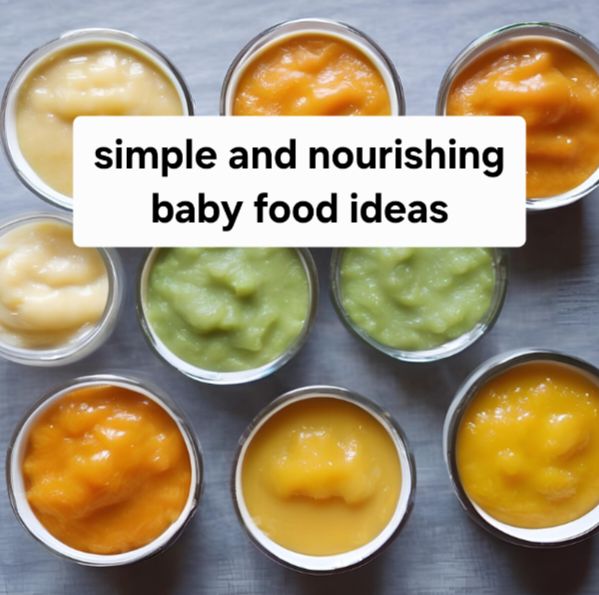
  • First Baby Food Ideas: Simple & Nourishing Starts

    Introducing solids is such a bittersweet milestone—the baby days are flying by, but there’s something so special about watching your little one experience new tastes and textures for the first time. Whether you’re starting with purees, baby-led weaning, or a mix of both, the goal is the same: nourishing, simple foods that set the foundation for healthy eating.

    In my experience, the best first foods are the ones that are easy to prepare, gentle on tiny tummies, and packed with nutrients. If you’re looking for inspiration, here are some tried-and-true baby food ideas to get you started.

    Simple & Nutritious First Foods


    1. Avocado (Mashed or Sliced)

    Avocado is a perfect first food—soft, full of healthy fats, and naturally mild in flavor. You can mash it with a little breast milk or formula for a creamy texture or serve it in strips for baby-led weaning. Bonus: It requires zero cooking!

    2. Banana (Mashed or Handheld)

    Bananas are naturally sweet and easy to digest, making them a go-to first food. Mash a ripe banana with a fork or offer a chunk for baby to grasp and gum. It’s a great on-the-go option, too.

    3. Steamed Sweet Potato (Puree or Finger Food)

    Sweet potatoes are a favorite in our house—soft, naturally sweet, and packed with beta-carotene. Steam or roast them until soft, then mash or serve in long strips for baby to hold.

    4. Oatmeal (Iron-Rich and Easy to Customize)

    Iron is an important nutrient for babies, and oatmeal is a great way to introduce it. You can use baby oats or finely ground rolled oats cooked with water, breast milk, or formula. Add mashed banana or a sprinkle of cinnamon for extra flavor.

    5. Soft-Cooked Carrots (Puree or Sticks)

    Carrots become wonderfully sweet when steamed or roasted. Blend them into a smooth puree or cut them into thick sticks for baby-led weaning. Just be sure they’re soft enough to mash between your fingers.

    6. Full-Fat Yogurt (Protein-Packed and Creamy)

    If dairy is on the menu, plain full-fat yogurt is a great first food. It’s packed with calcium and probiotics for gut health. I like to mix in a little mashed fruit for variety.

    7. Scrambled or Hard-Boiled Eggs (Allergen-Friendly and Soft)

    Eggs are an excellent source of protein and choline, which supports brain development. Scramble them soft or serve strips of hard-boiled egg. If you have allergy concerns, talk to your pediatrician, but early introduction of allergens is now widely encouraged.

    8. Steamed Broccoli (Great for Grasping!)

    Broccoli florets with a long stalk are easy for little hands to hold. Steam them until very soft, and let baby explore the taste and texture. Broccoli is rich in vitamin C and fiber, making it a great early veggie.

    9. Applesauce (Homemade or Unsweetened Store-Bought)

    If your baby isn’t ready for raw apple slices, applesauce is a perfect way to introduce the fruit. Stew peeled apple slices with a little water until soft, then blend into a smooth puree.

    10. Lentils (A Plant-Based Powerhouse)

    For a plant-based protein option, try well-cooked lentils. They mash easily and can be mixed with a little breast milk or formula for a smoother consistency.

    A Few Tips for Starting Solids


    Go slow: Introduce one new food at a time, waiting a few days before adding another to watch for any reactions.

    Skip added sugar and salt: Babies don’t need them, and they can interfere with developing taste preferences.

    Follow baby’s lead: Some days they’ll be eager to eat, other days not so much—that’s totally normal.

    Make it fun: Let them get messy, explore textures, and enjoy the process.


    Watching your baby discover food for the first time is such a joy. Whether they love a new food right away or make the classic “what is this?!” face, every bite is a new experience. The most important thing is to keep it relaxed and enjoyable—for both of you!

    What were your baby’s first favorite foods? Let me know in the comments.

    Leave a comment

  • How Do I Get My Baby to Sleep? What Helped Me in Those Early Newborn Days

    I Remember Googling This at 3 AM…


    I still remember pacing the nursery, rocking my first baby, and desperately searching, “How do I get my baby to sleep?” I tried everything—shushing, swaddling, and rocking—wondering why sleep felt so impossible. I’d wake up every 2-3 hours to feed her or rock her back to sleep for what felt like hours. I was exhausted, emotional, and questioning everything I was doing.

    With my second, I’ve taken a different approach. Since I’m breastfeeding, I’ve found that co-sleeping during parts of the night works best for us. It allows me to get more rest, and it feels like the right decision for our family—for now. And that’s the key: there’s no one-size-fits-all approach to baby sleep.

    Why Baby Sleep Feels So Hard

    Newborns have tiny tummies and unpredictable sleep cycles, which means frequent wake-ups are biologically normal. It can feel overwhelming, especially if you hear about a friend’s baby sleeping through the night while yours is still waking every two hours. Try not to let it get to you. Your baby’s needs will constantly change, and comparing only adds unnecessary stress.

    Understanding Wake Windows

    One thing that helped me feel more in control was learning about wake windows. These are the recommended awake times between naps to help prevent an overtired (or undertired) baby. Here’s a general guide:

    Newborn (0-8 weeks): 45-60 minutes

    2-3 months: 60-90 minutes

    4-5 months: 90-120 minutes

    6-9 months: 2-3 hours

    9-12 months: 3-4 hours


    Following wake windows and watching for tired cues (like fussing, rubbing eyes, or staring off) made naps and bedtime easier for both of my babies.

    What Helped Me Get More Sleep

    While no method guarantees a full night’s sleep, these things made a difference:

    Creating a Sleepy Environment – With my first, we didn’t use a white noise machine, but for my second, we decided to invest in one—and it’s been a game changer. It helps drown out the day-to-day noise in the house, especially with an active toddler around. I personally purchased the Nodiee Portable White Noise Machine, and it’s been amazing, but many of my friends and family have both the portable and plug-in versions and love them equally! (Affiliate link: My favorite white noise machine!)

    Finding the Right Sleep Setup – Some families love sleep training, others prefer co-sleeping (following safe sleep guidelines). I’ve done both at different times—neither is wrong. The best choice is what works for your family.

    The Bedtime Routine – A simple routine (feed, bath, book, cuddle) helped signal that nighttime was different from daytime.

    Accepting the Ebb and Flow – Some nights are easy, others are rough. Sleep isn’t linear, and that’s okay.


    A Note to Tired Mums

    I know how exhausting it is to be up at night, wondering if you’re doing something wrong. You’re not. Every baby is different, and what works for one won’t work for another. Give yourself grace, make the best decision for your family, and know that this stage won’t last forever.

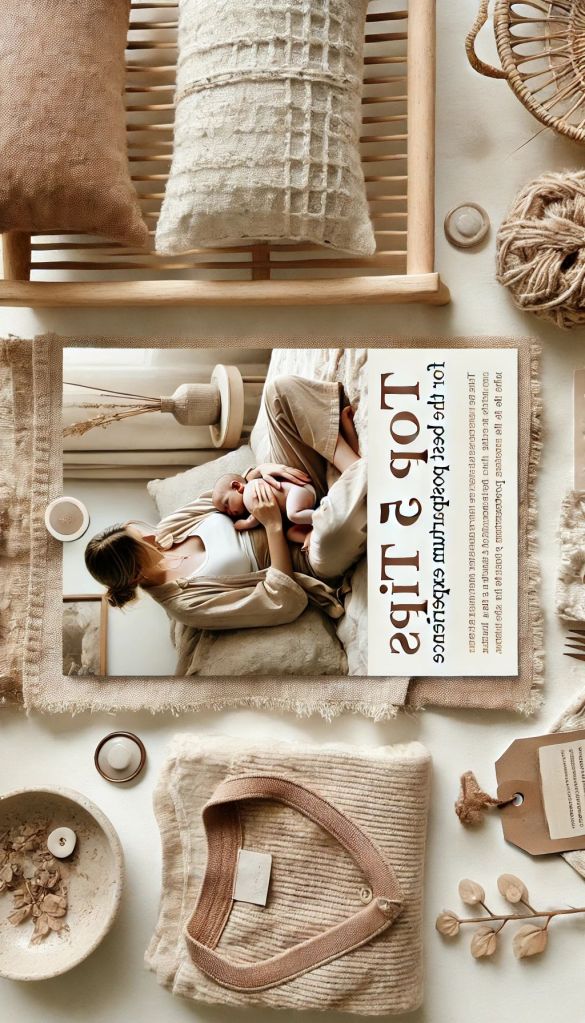
  • Top 5 Tips for a Positive Postpartum Experience

    3–4 minutes

    The postpartum period is a season of deep transformation—physically, emotionally, and mentally. It’s beautiful, raw, and at times overwhelming. Whether you’re a first-time mum or adding another little love to your family, the best gift you can give yourself is grace, rest, and support.

    Here are five simple yet powerful ways to nurture yourself during those early postpartum weeks.

    1. Nourish Yourself Without the Stress

    Cooking wholesome meals is probably the last thing you’ll feel like doing postpartum, but good nutrition is essential for healing and energy. Instead of surviving on toast and coffee (we’ve all been there!), set yourself up with easy meal solutions:

    Meal delivery services like The Dinner Ladies offer homemade-style meals that you can heat and enjoy with zero effort. Their menu is full of nourishing options, from hearty stews to fresh, family-friendly dinners. I’ve personally loved having their meals on hand—it’s like having a friend drop off dinner when you need it most!
    👉 Try The Dinner Ladies here: The Dinner Ladies

    Stock up on easy-to-grab snacks. Think protein balls, Greek yogurt, nuts, and lactation cookies (whether or not they boost supply, they’re still delicious!).

    Hydrate like it’s your job. Keep a large water bottle near your feeding or resting area—your body needs extra fluids for recovery and, if you’re breastfeeding, for milk production.


    2. Create a Restful Nest

    Newborn days are a whirlwind, and you’ll likely spend a lot of time in one spot—whether that’s the couch, your bed, or a cozy chair. Setting up a little postpartum “nest” makes all the difference.

    Consider keeping a basket of essentials within reach:
    ✔ A large water bottle
    ✔ Snacks (because hunger strikes at the most random times!)
    ✔ Nipple balm & breast pads
    ✔ Burp cloths
    ✔ A phone charger
    ✔ A cozy wool blanket (temperature-regulating and comforting—bonus if it matches your home aesthetic!)

    A little preparation can turn even the busiest days into moments of comfort and calm.

    3. Accept (and Ask for) Help

    This is your permission slip to let people help you. Many friends and family members genuinely want to support you but may not know how—so tell them!

    Instead of the usual “Let me know if you need anything,” give them a specific task:
    ✅ Folding a load of laundry
    ✅ Taking the older kids for a walk
    ✅ Dropping off a meal or groceries

    If your budget allows, consider hiring a postpartum doula, a meal prep service, or a cleaner—sometimes, outsourcing a little help is the best self-care investment you can make.

    4. Prioritize Rest & Recovery

    Forget the pressure to “bounce back.” Your body just did something incredible, and healing takes time. The best thing you can do for yourself and your baby is to rest when possible.

    Let housework wait. Sleep and recovery matter more than spotless floors.

    Invest in comfy loungewear (hello, breathable, nursing-friendly nightgowns!).

    Listen to your body—gentle movement, fresh air, and proper nourishment will serve you far more than rushing back into normal routines.


    5. Simplify Baby Care & Find Your Rhythm

    You don’t need all the things—you just need a few essentials and a whole lot of trust in yourself.

    ✨ Keep baby gear minimal. A bassinet, a few cozy outfits, nappies, wipes, and a baby carrier are all you truly need.

    I have used ergobaby baby carrier for both babies and absolutely love it!
    ✨ Involve your partner and older kids—small tasks like holding the baby while you shower or reading to the baby during feeds can help everyone feel included.
    ✨ Ignore the noise. Every baby is different, and you know yours best. Let go of comparison and trust your instincts.

    Final Thoughts

    Postpartum is a season of slow, sacred moments—it’s okay to prioritize rest, nourishment, and bonding over productivity. You are doing enough simply by being present with your little one.

    Take a deep breath, ask for help when needed, and soak in these fleeting, tender days.

    Have you experienced postpartum before? What was your biggest lifesaver? Let’s chat in the comments!

    This post contains affiliate links, which means I may earn a commission at no extra cost to you.

  • How to Get Any Housework Done with a Baby

    2–4 minutes

    As a busy mom with two young children—a 2-year-old and a 6-month-old—I know how overwhelming life can feel with little ones in tow. My first postpartum experience was exhausting, and I struggled to keep up with everything. But in my second postpartum journey, I’ve made mindful changes to create a more balanced experience. One of the biggest game-changers has been including my children in my daily tasks—especially household chores.

    It might seem easier (and faster) to do everything yourself, but toddlers and young children actually want to help. They love being included in your world and feeling like they’re contributing. Instead of viewing chores as something that takes time away from them, I’ve learned to use this stage to my advantage—turning everyday tasks into opportunities for learning, bonding, and fun.

    1. Do Chores While Your Kids Are Awake

    It’s tempting to rush around and get everything done while your baby or toddler is asleep, but I’ve found that doing chores while they are awake makes life so much easier. Instead of trying to squeeze everything into nap time, I let my little ones be part of what I’m doing.

    I talk to them about what I’m doing (“I’m folding the laundry! Can you help me find the socks?”).

    I let my toddler take part if she wants to, but I don’t force it.

    I show her that chores are a normal part of life, not something we dread.

    When kids see chores as just another part of the day, they’re more likely to want to help as they grow.

    2. Let Your Toddler Help—Even if They Do It “Wrong”

    If your toddler asks to help or starts “trying” to help, let them. It’s natural to want things done quickly and properly, but these little moments are how kids learn.

    Instead of correcting them harshly or redoing their work in front of them, try saying:
    ✔️ “Thank you for helping!”
    ✔️ “That was a great try—next time, I’ll show you an even easier way!”

    The goal isn’t perfection. It’s to encourage a helping mindset and make them feel capable.

    Toddler-Friendly Chores: What My 2-Year-Old Loves Helping With

    Every child is different, but here are some of the simple chores my toddler loves to do with me:

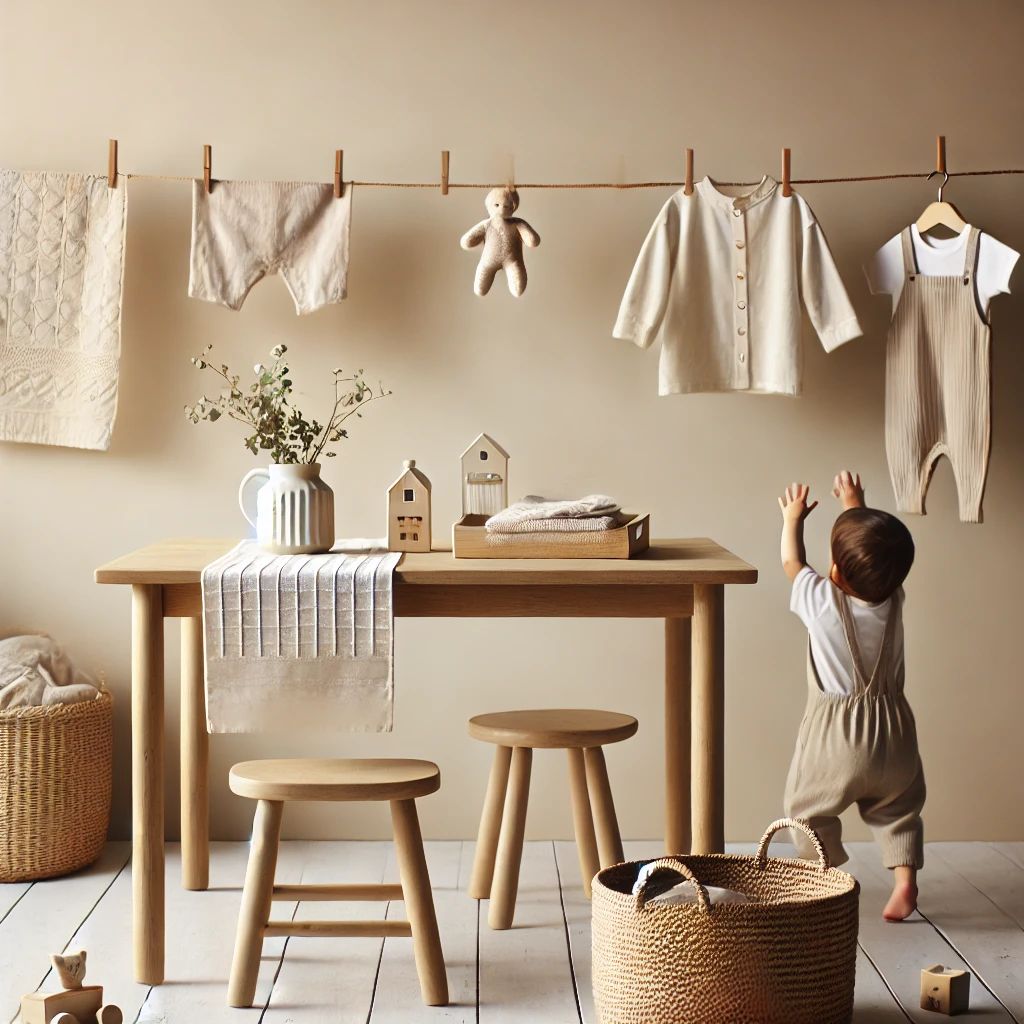
    1. Hanging washing on the line – We have both a traditional clothesline and a small collapsible one that she can reach.
    2. Washing dishes – She loves water play, so I give her a sponge and some non-breakable cups.
    3. Folding tea towels – It’s a great beginner folding task.
    4. Picking up toys – We have designated baskets for different toys, making it easy for her to help.
    5. Setting the table – She loves putting out placemats, forks, and knives.

    Not every day is perfect, but I love seeing her get excited about helping!

    Final Thoughts: Making Chores a Normal Part of Life

    Instead of seeing chores as something separate from our kids, I now treat them as something we do together. By including them in these everyday tasks, I’m teaching responsibility, patience, and confidence.

    Some days, my toddler is eager to help. Other days, she’d rather play. And that’s okay! The important thing is that I give her the opportunity to be part of it.

    What are your little ones’ favorite chores? I’d love to hear how you include your kids in household tasks!


    Leave a comment